
Why Does My Dog Keep Turning the Same Patch of Grass Into Mud?
You repair the grass, water it, and try to keep your dog away until it grows back.
A few weeks later, the same bare patch appears.
Maybe it's beside the fence, near the back door, or along your dog's favorite running route.
For Weston homeowners, these areas can become especially frustrating after months of warm weather and seasonal rain.
Before buying more sod, consider why the grass keeps failing.
In some yards, a dedicated pet turf area may be worth considering. But the right solution depends on how your dog uses the space.
Why Do Dog Routes Wear Out Faster Than the Rest of the Lawn?
Dogs rarely use every part of a yard equally.
They follow familiar routes to gates, resting spots, and places where they hear activity.
Repeated running, turning, and digging can damage grass faster than it recovers.
The soil underneath also becomes compacted.
When soil is tightly packed, water and air have a harder time moving through it. Grass roots may struggle, especially in spots that already receive heavy use.
Shade can make the situation worse.
Grass growing beside a fence or under dense landscaping may receive less sunlight than the rest of the lawn.
Add daily pet traffic, and the same patch may stay thin year after year.
Urine can also affect natural grass, especially where a dog repeatedly uses one small bathroom area.
November offers a useful opportunity to review the damage left by the wetter months.
If the problem only appears after a storm, improving drainage may help. However, if the same route remains bare even during drier weather, foot traffic may be the bigger issue.
Watch your dog for a few days before making changes.
The routes they choose will help you decide where a more durable surface could provide the most benefit.
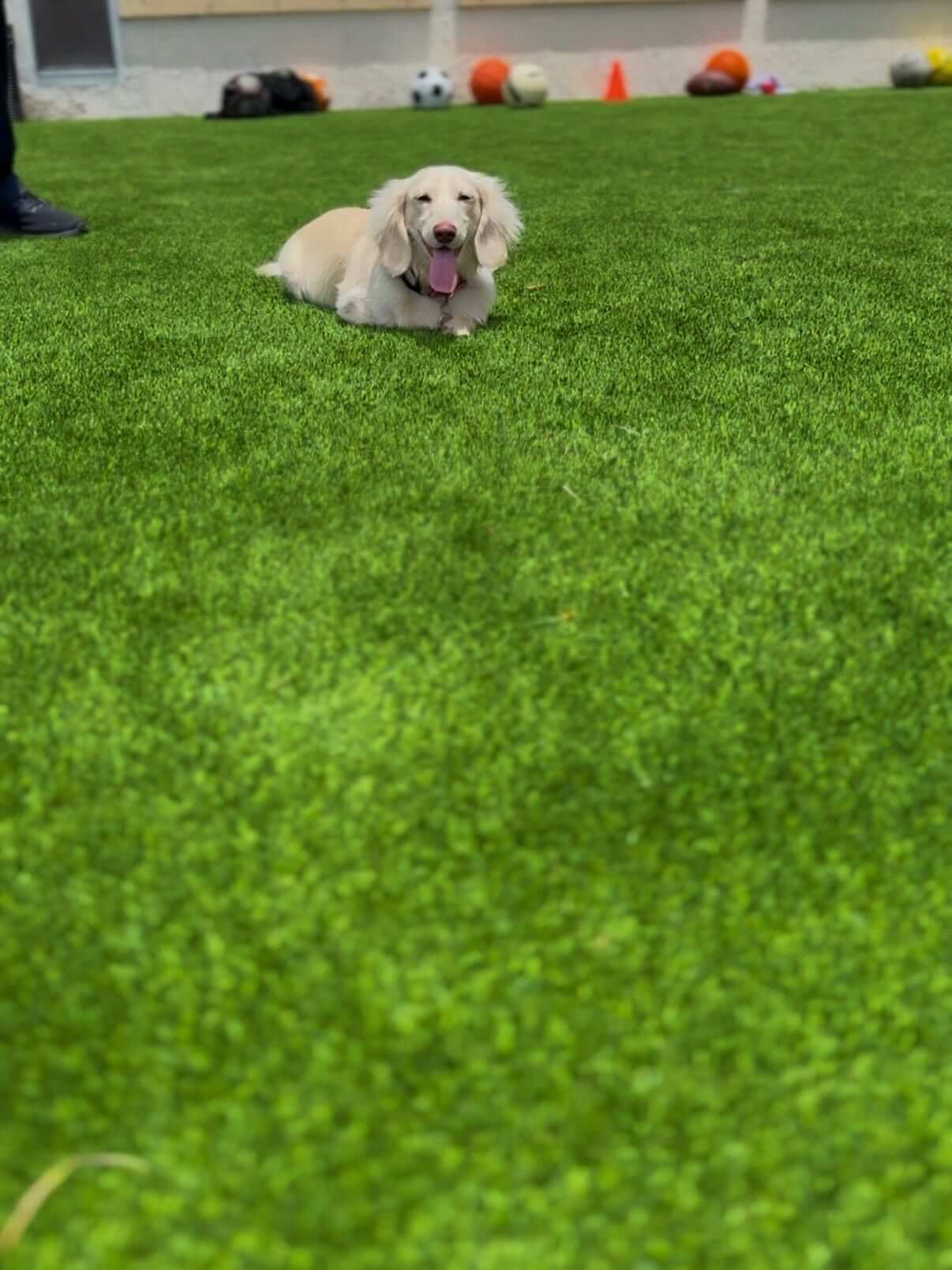
Would Pet Turf Solve the Mess or Create New Problems?
Artificial pet turf can eliminate the need to regrow grass in a heavily used section.
It provides a consistent surface that doesn't develop bare soil simply because a dog runs across it.
That can help reduce muddy paws and repeated lawn repairs.
However, pet turf isn't maintenance-free.
Urine still needs to drain through the surface, and solid waste must be removed promptly.
Some areas require routine rinsing to control smells. Depending on the installation, infill and the underlying materials may also need attention.
Heat is another important concern.
Synthetic grass can become much hotter than natural grass in direct sunlight.
University of Florida researchers specifically identify surface heat as a concern for pets.
That means a sunny dog run should include a practical plan for shade, water access, and safe use during hot weather.
Check surface temperatures before allowing pets onto turf that has been exposed to strong sun.
Also remember that synthetic turf won't stop every dog from digging or chewing.
A determined pet may still damage edges or seams.
For some homes, a mixed layout with natural planting, hardscape, and a smaller turf section makes more sense than covering the whole backyard.
What Should You Plan Before Installing a Dog Run?
Begin with your dog's daily habits.
Does your pet mostly run along a fence, use one corner as a bathroom, or spend time resting near the house?
Each behavior suggests a different layout.
A running route may need a longer, narrow area. A bathroom spot might work better as a smaller section that's easy to reach and rinse.
Drainage is especially important where pets urinate regularly.
Ask how liquid will move through the turf, base, and surrounding area.
You should also discuss:
- Turf texture: Choose fibers suited to pet activity.
- Edges: Secure boundaries where dogs tend to dig.
- Shade: Avoid creating a surface that's uncomfortable during hot afternoons.
- Cleaning access: Make sure the area can be rinsed and maintained.
- Transitions: Keep changes between turf, paving, and planting comfortable.
Don't forget the surrounding landscape.
Trees, shrubs, and natural grass can still provide valuable cooling and environmental benefits.
A carefully selected turf area may address the problem without removing healthy lawn elsewhere.
Ask the installer about cleaning requirements before choosing the product.
It's better to know what your daily routine will involve than to discover those responsibilities after installation.
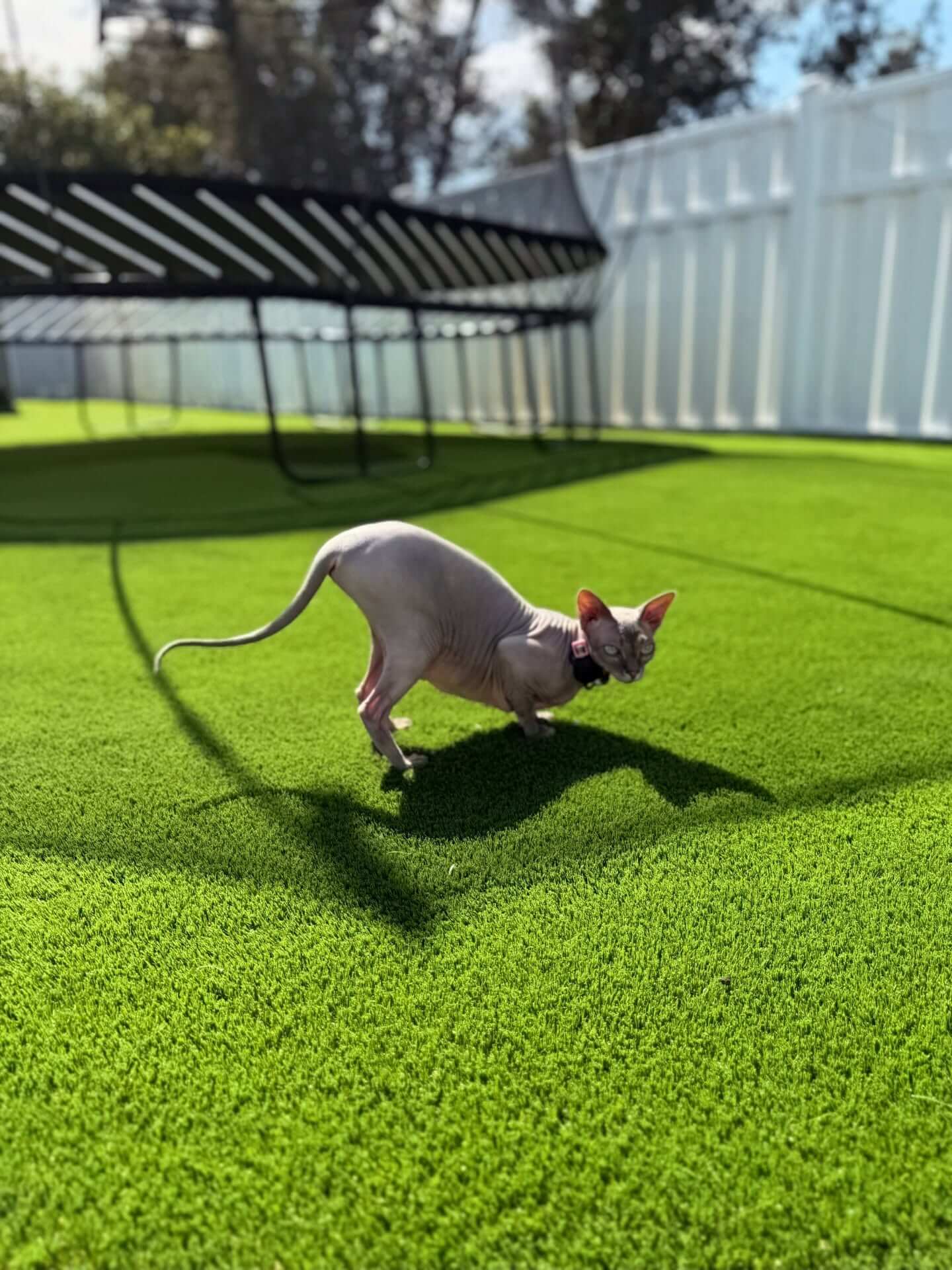
How Do You Know If a Small Turf Area Makes Sense?
A dedicated dog run is often worth considering when the same area keeps failing despite reasonable care.
However, fixing a drainage problem or changing the dog's access may be enough in other situations.
Will pet turf stop muddy paws?
It can reduce contact with exposed soil in the covered area. Dogs may still pick up dirt from nearby planting beds or other surfaces.
Does artificial grass eliminate urine odors?
No. Proper drainage and regular cleaning remain necessary.
Should the entire backyard become artificial turf?
Not always. A smaller installation may solve the high-wear problem while preserving natural landscaping.
Can pet turf work for larger dogs?
Yes, but product strength, secure installation, drainage, and maintenance should match the dog's size and activity.
The best option is the one that fits your pet's actual behavior.
Create a Dog Run That Fits the Way Your Pet Plays
Replacing the same patch of grass every few months can become tiring.
At Redline Turf & Lighting, we offer artificial pet turf installation designed around everyday use, drainage, and care.
If your Weston yard has a problem area that never seems to recover, contact us for an estimate. We can help you explore a dedicated pet turf layout without replacing more lawn than necessary.