
Why Does My Pet Turf Still Smell After I Rinse It?
You rinse the artificial grass, pick up after your dog, and expect the yard to smell fresh. But a few hours later, that familiar urine odor returns.
It's especially frustrating when you're getting your backyard ready for November gatherings in Plantation, FL.
Artificial pet turf can make daily cleanup easier, but water alone doesn't always remove what causes the smell. Pet urine can leave residue in the turf fibers, infill, or drainage materials underneath.
Before reaching for another cleaning product, it helps to understand where the odor is coming from and what will actually solve it.
What Causes the Smell to Return After the Turf Dries?
A quick rinse may wash away some fresh urine, but it doesn't always remove the residue left behind.
Pet urine contains compounds that can remain in the turf system after the water evaporates. Over time, repeated use of the same bathroom spot can lead to a stronger smell.
Dogs also tend to return to familiar areas. Even if your artificial grass looks clean, one heavily used corner may contain much more buildup than the rest of the yard.
Several conditions can make the problem worse:
- Poor drainage: Water and urine may remain trapped below the surface.
- Dirty infill: The material supporting the grass fibers can hold residue.
- Organic debris: Leaves, dirt, and pet waste can collect between the blades.
- Uneven rinsing: Cleaning only the surface may leave concentrated areas untreated.
November can make an existing odor problem easier to notice. As Plantation moves toward its typically drier months, homeowners may experience fewer natural rinses from frequent afternoon rain.
However, rain never replaces proper turf cleaning.
The University of Florida explains that synthetic turf still requires regular maintenance, especially when pets use the surface.
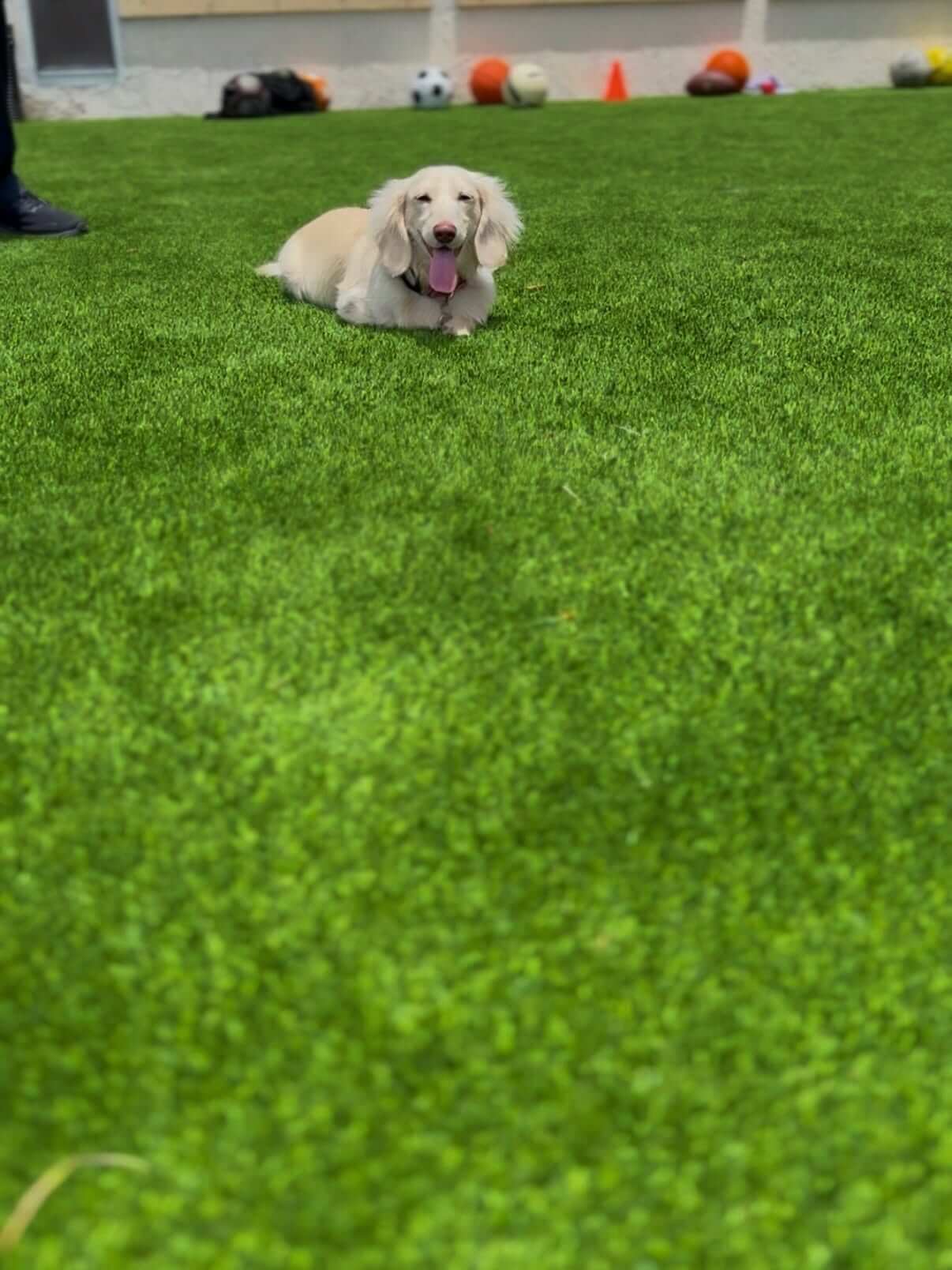
What Can You Safely Do Before Paying for a Deep Clean?
Start by finding the areas your dog uses most often.
Look near fences, corners, gates, and favorite resting spots. A smaller problem area may need more attention than the entire lawn.
Remove solid waste promptly. Then clear away leaves, dirt, and other debris that could prevent water from reaching the backing.
Next, rinse the affected area with clean water. Use enough to carry fresh waste through the turf, but watch how the water drains.
If it starts collecting on the surface, stop and investigate rather than adding more water.
For lingering odors, consider a cleaner specifically labeled for artificial pet turf. Follow the manufacturer's directions, including the recommended dilution and rinse instructions.
Avoid mixing cleaning products. Household bleach and harsh chemicals can damage some turf materials or create unsafe conditions for pets.
After cleaning, allow the area to dry and check the smell again.
You should also pay attention to your dog's behavior. If your pet repeatedly chooses one small spot, cleaning that area more often may work better than treating the whole yard occasionally.
How often should you clean pet turf?
The answer depends on how many dogs use it, the size of the area, and how frequently they relieve themselves there.
Daily waste removal and regular spot rinsing are sensible starting points. Heavily used areas may need more frequent cleaning.
How Can You Tell Whether the Problem Is Below the Surface?
Sometimes the grass fibers aren't the main problem.
Artificial turf includes several layers. Depending on the installation, these may include turf backing, infill, a prepared base, and drainage materials.
If urine or rinse water collects in these layers, surface cleaning may provide only temporary relief.
Watch for warning signs such as:
- Water remaining on the turf long after rinsing.
- A strong odor coming from one section.
- Soft or uneven spots underfoot.
- Smells returning immediately after cleaning.
- Visible debris buildup along seams or edges.
These signs don't automatically mean the turf needs replacement.
A professional may find that the surface needs deeper cleaning or that the infill requires attention. However, poor grading or a drainage issue may need a different solution.
It's also worth checking nearby landscaping. Soil, mulch, and drains can produce odors that seem to come from the turf.
Before replacing anything, identify the actual source.
That simple step can save you from paying for work that doesn't address the problem.
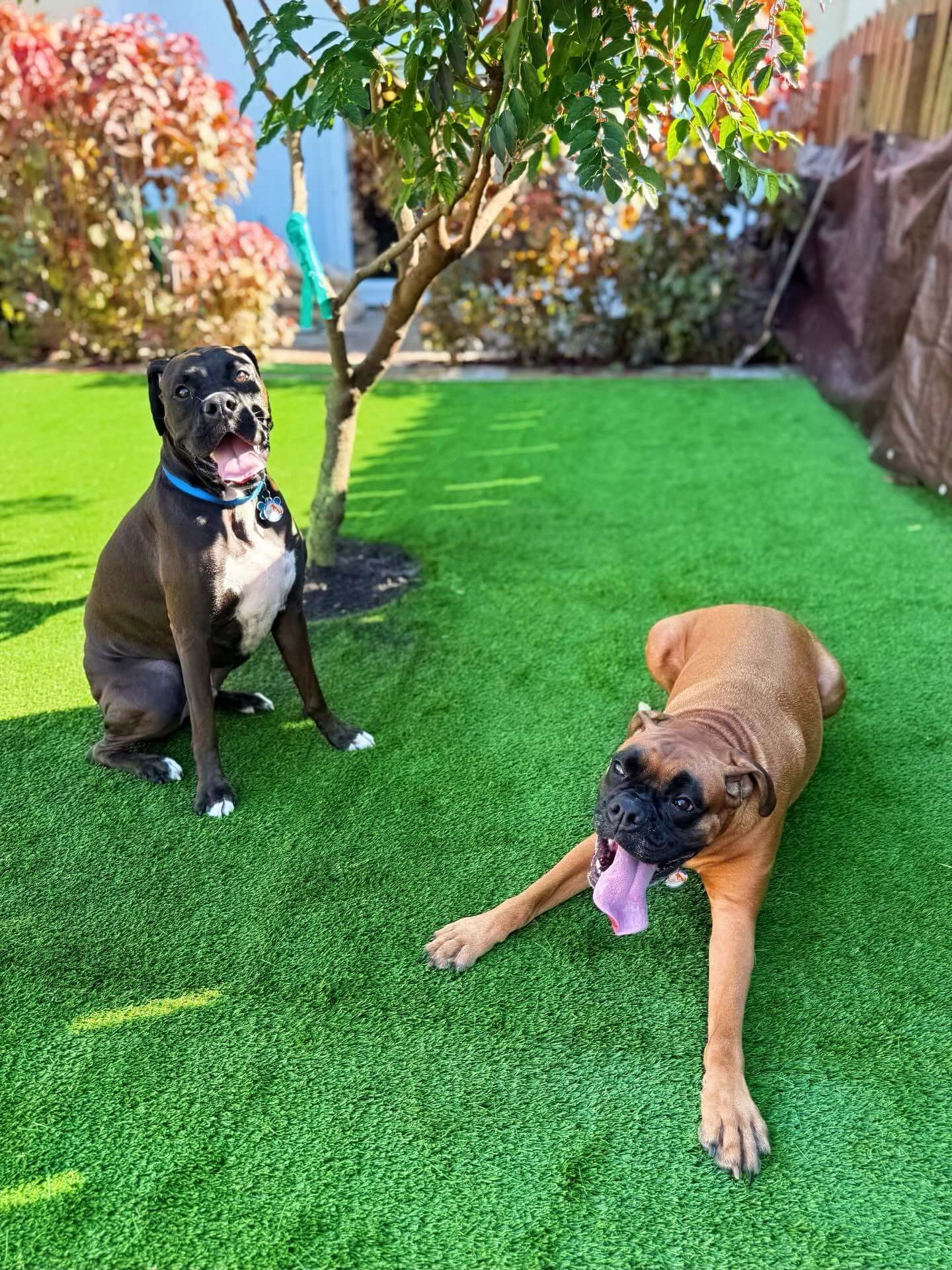
When Is Professional Cleaning Worth It?
Professional cleaning makes sense when regular care no longer keeps the pet area fresh.
It can also help before guests arrive, especially if the yard receives heavy daily use.
Can professional cleaning remove every odor?
Not always. Cleaning can address residue, trapped debris, and odor-prone areas. However, a damaged drainage system or contaminated base may require additional work.
Does pet turf need to be replaced when it smells?
Usually, replacement shouldn't be the first step. Check the turf's condition, backing, infill, and drainage before deciding.
Can you prevent pet turf odors completely?
No artificial surface stays perfectly clean without care. Prompt waste removal, proper rinsing, and routine maintenance can help keep odors manageable.
For Plantation homeowners, the best choice depends on the condition of the existing installation.
If the turf still looks good and drains well, cleaning may be enough. If the surface holds water or has damaged seams, further inspection is worthwhile.
Freshen Up Your Pet Turf Before Your Next Backyard Gathering
A bad smell doesn't always mean your artificial grass has reached the end of its life.
At Redline Turf & Lighting, we provide professional artificial turf cleaning that addresses debris, odors, and worn-looking areas.
If regular rinsing no longer works, contact us for a turf-cleaning estimate. We'll help you determine whether your pet area needs a deeper refresh or a closer look at its condition.